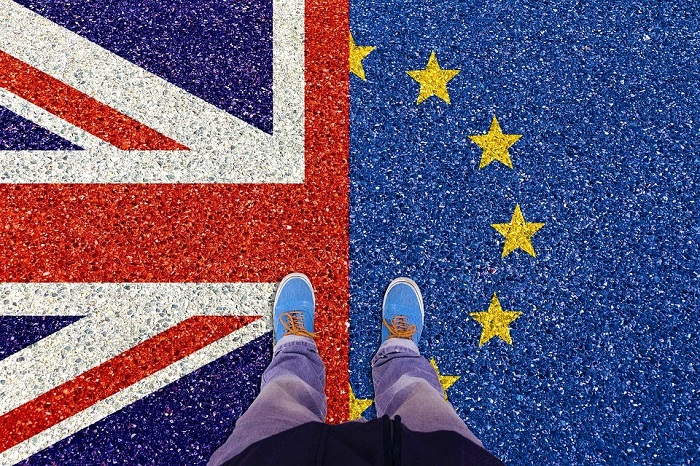
Brexit is the withdrawal agreement of the United Kingdom from the European Union Parliament. The UK government conduct the referendum on 23rd June 2016, in which 52% voted to leave and 48% voted to stay in the European Union. the British government officially reported the nation’s withdrawal in March 2017, starting the Brexit procedure. The withdrawal was deferred by a halt in the British parliament. Following a general political decision, Parliament endorsed the withdrawal understanding, and the UK left the EU on 31 January 2020. This started a change period that is set to end on 31 December 2020, during which the UK and EU will arrange their future relationship and trade deals.
What is the European Union?
The European Union (EU) is a gathering of 28 nations that exchange and permit their residents to move uninhibitedly between countries to work and live. In the beginning, it was based on the remains of World War II to end hundreds of years of slaughter and to integrate economic power.
Why is Brexit such a big deal?
Europe is a very important trading partner of The United Kingdom and its biggest source of foreign investment. Its membership in the EU has helped London cement its position as a global financial center. Major threat comes from some big company to leave Britain over Brexit have gotten very continuous. As indicated by government appraises, the nation’s economy would be four to nine percent littler under Brexit (subject to how it leaves the coalition).
While an effective Brexit could be a help for the common laborers that consider the movement to be a danger to their occupations, youthful Britons who fantasy about examining abroad are worried. Many major companies thinking about relocating their business include Airbus, which has 14,000 employees in Britain and supports more than 100,000 other jobs.
What is ‘Hard’ and ‘Soft’ Brexit?
The European Union single market allows its members the free movement of goods, people, service, and capital. It does this by removing trade barriers and by harmonizing different members of national rules at the European Union level, but the EU is also a customs union. A group that agrees to apply the same tariffs to goods from outside the union. So goods cleared by one country’s customs, then get tariff-free entry to other countries in the union.
Hard Brexit
A hard Brexit is generally thought to involve the Uk quitting the EU single market and the customs union. If the UK left both without negotiating a free trade agreement with Brussels. It would find itself in a similar position to a country like Australia or the United State of American. It would able to trade with EU nations based on World Trade Organisation rules. But would face tariffs and other trade restrictions from the EU and vice versa.
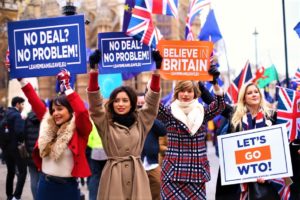
A hard Brexit would mean the Uk would not have to pay EU contributions or agree to the free movement of EU members. But UK citizens would not have free movement to live and work in Europe either. It would have the freedom to enact its own rules and regulations. And the government would be able to negotiate free trade deals with non-EU nations, such as the US, China, and India.