
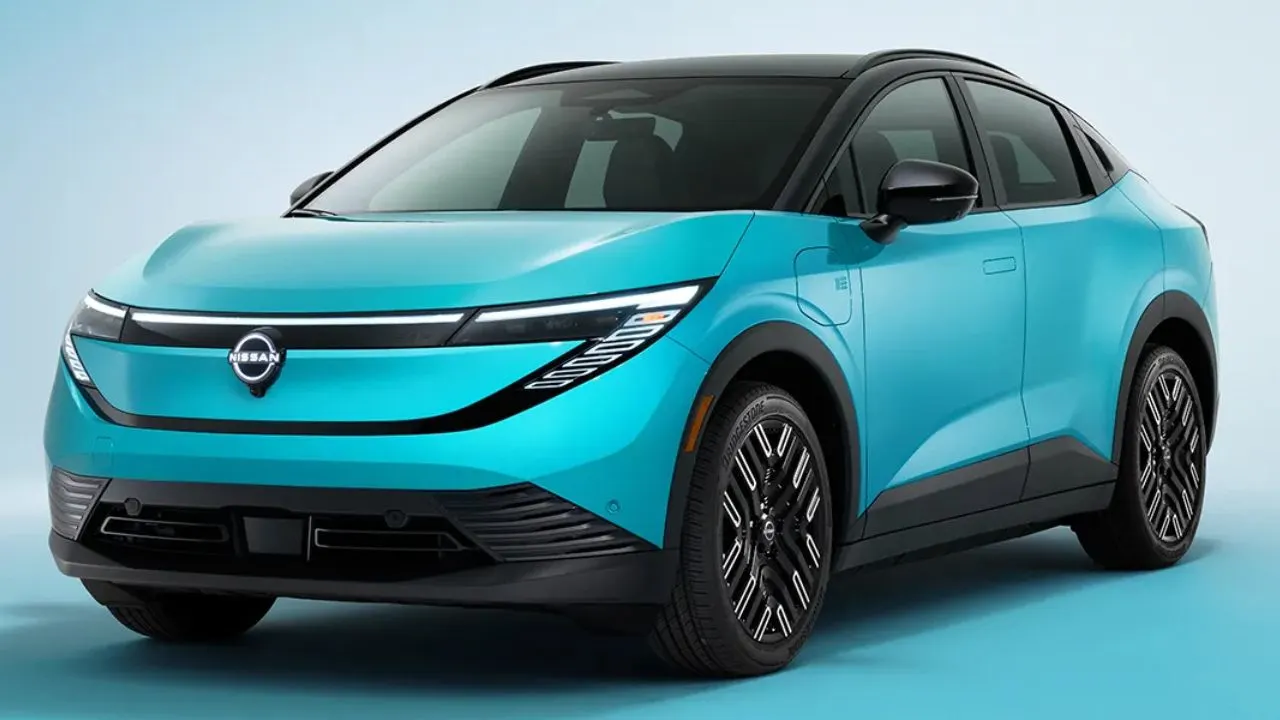
Just as Nissan was getting ready to launch a new and improved version of its all-electric Leaf, the company’s plans hit some serious bumps in the road.
According to a recent Reuters report from Tokyo, Nissan is being forced to scale back production of the 2026 Nissan Leaf due to a shortage of parts. The reason? China’s tightening grip on rare earth material exports, key components used in EV batteries and motors, is creating supply chain disruptions.
A New Leaf, Literally
The 2026 Nissan Leaf was supposed to be a fresh start for the popular electric car. Unlike the previous hatchback design, the new Leaf was expected to come as a compact crossover, a move aimed at appealing to more mainstream buyers. Early estimates suggested the top S+ trim would offer up to 303 miles of driving range, with a starting price somewhere in the mid-$30,000 range. Like the original Leaf, the goal was to deliver an affordable, practical EV to everyday drivers.
But the path forward is now much less certain.
No More Federal EV Tax Credit
In the U.S., the situation is made worse by the recent elimination of the federal EV tax credit for the Leaf, which will likely slow down domestic sales. That $7,500 credit used to help make the Leaf more affordable, and without it, buyers may start to look elsewhere.
Global Production Takes a Hit
Nissan is feeling the pressure not just in the U.S., but also in key markets like Japan and Europe. The rare earth shortage is already impacting operations, including at the U.K. plant where the Leaf is built. Nissan has reportedly started offering voluntary retirement packages to workers there.